
India Should Rebalance Its Neighborhood Diplomacy

India Should Rebalance Its Neighborhood Diplomacy
By: M. Burhanuddin Qasmi
Editor: Eastern Crescent, Mumbai
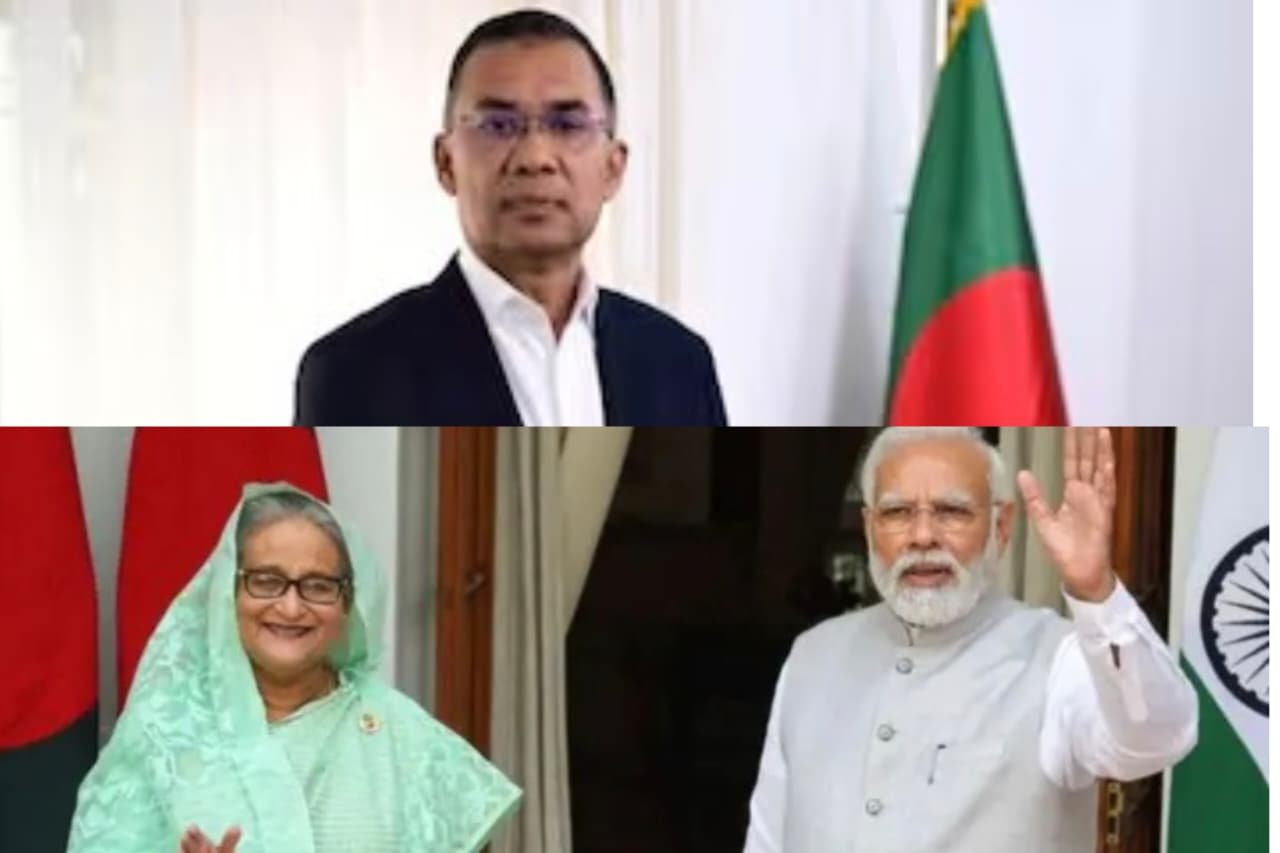
India today stands at a critical juncture in its foreign policy, particularly in its relations with neighboring countries. Among them, Bangladesh occupies a uniquely sensitive and strategic position. As a long-time ally with deep historical, cultural, and emotional bonds with India, the relationship deserves urgent recalibration—away from personality-centric diplomacy and towards a genuine people-to-people engagement.

India’s continued and unconditional support for controversial figures such as Sheikh Hasina and Taslima Nasreen has increasingly been perceived by large sections of Bangladeshi society as dismissive of popular sentiment. Diplomacy that ignores public opinion in neighboring countries risks alienating people rather than strengthening bilateral ties. A mature regional power must be sensitive not only to governments, but also to the aspirations and emotions of ordinary citizens across borders.

Like it or not, Bangladesh today has a democratically elected government with an absolute majority. Mr. Tariq Rahman is poised to become the next Prime Minister, and India’s leadership has rightly acknowledged this mandate by extending formal congratulations.
Geography is destiny; nations cannot change their neighbors. What they can change, however, is the tone and substance of engagement. Mutual respect, non-interference, and shared economic and security interests must form the foundation of India–Bangladesh relations going forward.
At the same time, it would be strategically unwise for India to find itself surrounded by strained or adversarial relationships. Persistent tensions along borders with China, Pakistan, Bangladesh, Nepal, and Sri Lanka place the nation in a perpetual state of alert. Such conditions not only strain defense resources but also obstruct economic growth, regional connectivity, and the broader vision of peaceful coexistence. Development cannot flourish in an environment of constant suspicion and hostility.
The global context further complicates India’s strategic choices. The repeated unfavorable posture of the U.S. President, Donald Trump, marked by tariff wars, coercive trade measures, and unilateral energy diktats involving Venezuela, Russia, and the Middle East, raises serious concerns. His perceived tilt towards Pakistan during Operation Sindoor, followed by preferential tariff and recent garment-trade arrangements with Bangladesh, underscores the volatility of relying excessively on external powers for strategic balance.

Despite these challenges, opportunities remain. Bangladesh, Nepal, Sri Lanka and Afghanistan have historically shared friendly relations with India and may still gravitate closer—provided India reins in hostile domestic narratives and approaches its neighbors with sincerity and humility. Episodes such as the IPL player Mustafizur Rahman controversy and the immature remarks repeatedly being made by Assam’s Chief Minister regarding Bangladesh and it’s people are entirely avoidable, these only serve to unnecessarily strain bilateral relations.
Leadership in the region cannot be sustained through dominance alone; it requires trust, empathy, and consistency.
India has long been regarded as a leading voice of the Non-Aligned world, admired for its independent outlook and balanced diplomacy. Preserving this stature is essential—not only for India’s global standing but also for the stability of South Asia. A recalibrated neighborhood policy, rooted in respect and realism, is no longer optional; it is a strategic necessity.
You May Also Like
 Editorial
Welcome, UpScrolled: Reclaiming the Truth in a Biased Digital Ecosystem
Welcome, UpScrolled: Reclaiming the Truth in a Biased Digital Ecosystem By: M. Burhanuddin Qasmi...
 Breaking News
Ad Darain Education Centre Successfully Conducts 3 Days Teacher Training Workshop
Ad Darain Education Centre Successfully Conducts 3 Days Teacher Training Workshop EC News Desk...
 Editorial
Iran, Global Resistance, and the End of Western Hegemony
Iran, Global Resistance, and the End of Western Hegemony By: M. Burhanuddin Qasmi Editor:...
 Editorial
The Distorting Lens of FPTP: Decoding the Bihar 2025 Mandate
The Distorting Lens of FPTP: Decoding the Bihar 2025 Mandate By: M. Burhanuddin Qasmi...
 Breaking News
Grand Convocation Ceremony Held at MMERC, Mumbai
Grand Convocation Ceremony Held at MMERC, Mumbai EC News Desk 7 February 2026 Mumbai:...
 Breaking News
Under America's War Ambitions! Increasing Western Pressure on Iran and the Changing Dynamics of the Region
Under America's War Ambitions! Increasing Western Pressure on Iran and the Changing Dynamics of...
Comments (0)
Leave a Comment